Laxmi Nivas, A-36, 3, Rd Number 11, Munjaba Vasti, Dhanori, Pune, Maharashtra 411015
hrbapat25@gmail.com
+ 91 7385758249
LAP Surgery

Overview
Bapat Multispeciality Hospital offers advanced laparoscopic (keyhole) surgery with a focus on minimal invasion, faster recovery, and reduced post-operative discomfort. Our expert surgeons perform a wide range of procedures such as gallbladder removal, hernia repair, appendectomy, and gynecological surgeries using state-of-the-art equipment and high-precision techniques.
Compared to traditional surgery, laparoscopy involves smaller incisions, less scarring, minimal blood loss, and shorter hospital stays. We ensure personalised care, strict infection control, and seamless recovery support, making your surgical journey safe, efficient, and comfortable.
Symptoms
Laparoscopic surgery is usually recommended when certain symptoms suggest the need for internal examination or treatment. These signs often point to conditions that require a closer look or surgical intervention through minimally invasive methods.
Severe Abdominal Pain
Persistent or sharp abdominal pain could indicate issues like appendicitis, gallstones, or hernia that may need laparoscopic diagnosis or surgery.Unexplained Bloating or Discomfort
Frequent bloating, fullness, or discomfort may be signs of gastrointestinal or reproductive organ concerns best addressed with laparoscopy.
Doctors who treat this condition

CONTACT INFORMATION
LAP Surgery
Services
LAP Surgery
Laparoscopic Appendectomy
Minimally invasive removal of an inflamed appendix, offering faster recovery and less post-operative pain.Laparoscopic Cholecystectomy
Safe and effective gallbladder removal to treat gallstones and gallbladder infections using small incisions.Laparoscopic Hernia Repair
Surgical correction of hernias through keyhole incisions, reducing scarring and improving recovery time.Diagnostic Laparoscopy
A precise method to examine abdominal organs and diagnose unexplained pain or fertility issues.Laparoscopic Hysterectomy
A less invasive option for removing the uterus, recommended for various gynaecological conditions.

why choose us
Why Bapat Multispeciality Hospital is the Right Choice for You

Experienced Laparoscopic Surgeons
Our team comprises highly skilled surgeons with extensive experience in advanced laparoscopic procedures.
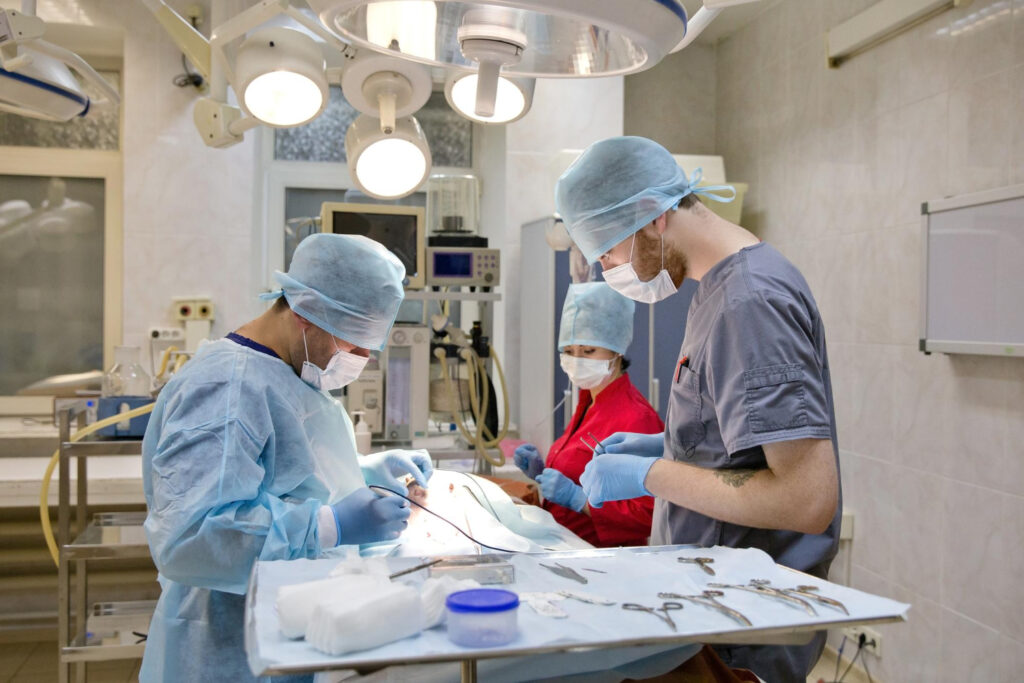
Minimally Invasive Techniques
We prioritise keyhole surgeries that reduce scarring, pain, and recovery time for better patient outcomes.

Advanced Operation Theatres
Equipped with the latest laparoscopic instruments and technology to ensure precise and safe surgeries.

Personalised Patient Care
Every patient receives tailored treatment plans and attentive post-surgery care for faster healing.
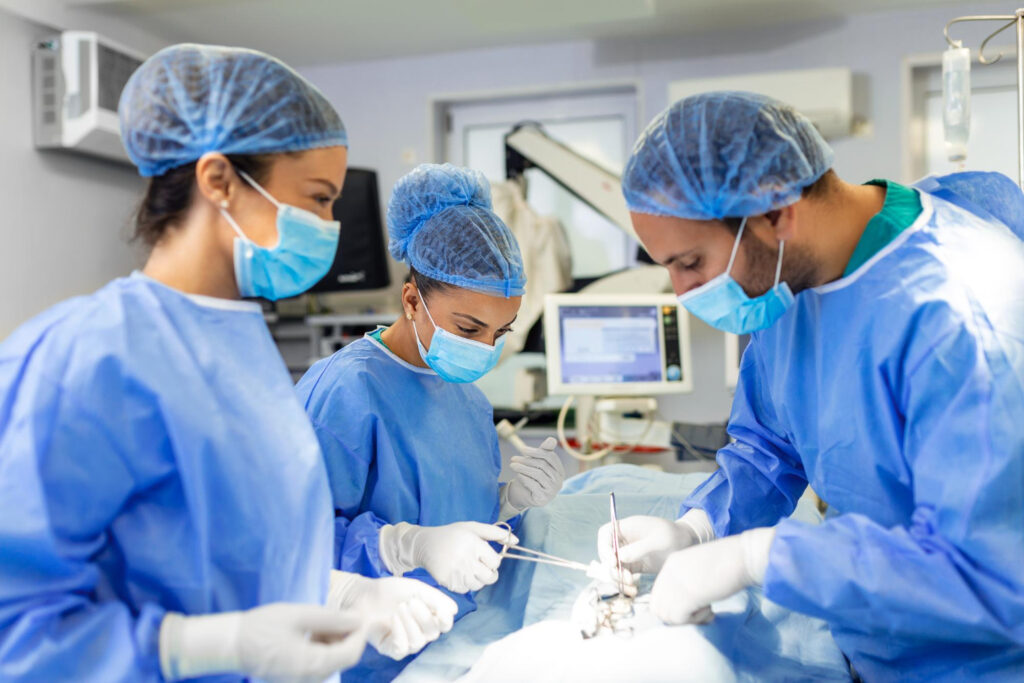
Faster Recovery & Discharge
Most patients resume normal activities quicker with minimal hospital stay compared to open surgeries.
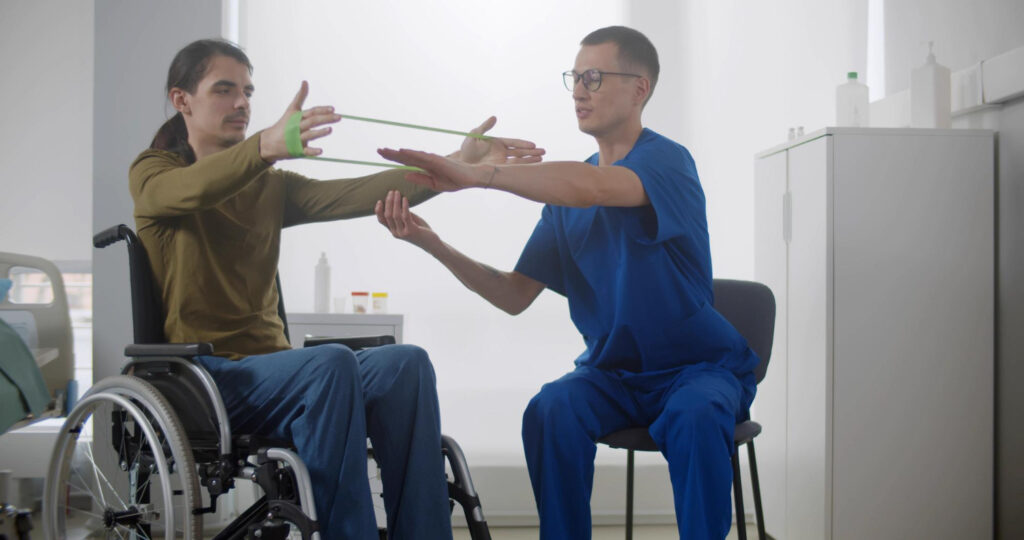
Strict Infection Control Protocols
Our hospital maintains high hygiene standards to minimise post-operative complications.

Ongoing Diabetes Education
We offer transparent and competitive pricing to ensure quality care is accessible to all.

Insurance & Cashless Facility Support
Assistance with insurance claims and cashless options available for a smooth, worry-free experience.
FAQ
Frequently Asked Questions
FAQ
LAP surgery is commonly used for gallbladder removal, appendectomy, hernia repair, hysterectomy, and other abdominal procedures.
Laparoscopic surgery is a minimally invasive procedure performed through small incisions using a camera and specialised tools. It offers quicker recovery, less pain, and smaller scars compared to open surgery.
Yes, when performed by trained specialists, LAP surgery is considered very safe with fewer complications and faster recovery.
Most patients can resume normal activities within a week, though full recovery depends on the procedure and individual health.
Patients may be advised to follow a light diet and avoid heavy lifting or strenuous activities for a few weeks post-surgery.
Yes, most standard health insurance policies cover medically necessary laparoscopic surgeries such as appendectomy, hernia repair, or gallbladder removal.
Many insurance providers require pre-authorization or prior approval before undergoing LAP surgery, especially if it's a planned procedure.
Coverage depends on your policy terms. Some plans offer full coverage, while others may involve co-payments, deductibles, or exclusions.
Yes, if Bapat Multispeciality Hospital is part of your insurer’s network, you may be eligible for cashless treatment. It’s best to check with the hospital’s insurance desk.
You typically need a doctor’s prescription, diagnostic reports, hospital bills, discharge summary, and a claim form provided by your insurance company.